En septembre 2019, une réflexion est portée par le ministère de l’enseignement supérieur, de la recherche et de l’innovation (MESRI) sur l’accompagnement et la formation des étudiants de premier cycle à la Transition Ecologique pour le Développement Soutenable. Jean Jouzel, président du groupe de travail dédié, remet un rapport en 2022 dont émanera la note de cadrage et de préconisation (NCP) du MESRI. Il est attendu la mise en place d’une UE de 3 ECTS (30h) dans toutes les licences en France en septembre 2024.
Le contexte de la création de cette UE spécifique est décrit dans les deux premiers paragraphes de la NCP : « Les évolutions constatées ces dernières années en matière de changement climatique, de destruction de la biodiversité, d’épuisement des ressources, d’effets de la pollution, de crises énergétiques et au-delà, alertent et nécessitent l’accélération de la transition écologique ainsi qu’une transformation profonde de notre société pour relever ces défis. »… « La présentation des causes anthropiques des enjeux globaux et systémiques permettra d’introduire les enjeux abordés (climat, biodiversité et ressources) ainsi que les changements transformateurs (économiques, sociologiques et politiques) et les actions individuelles et collectives associées… »
Un travail collaboratif d’une année avec de nombreux collègues, en particulier de l’Université Saint Charles, a permis d’aboutir à une vision commune et à la constitution d’une importante documentation partagée. Il a été considéré nécessaire d’adapter l’UE à chaque cursus et de la séparer en deux parties : une partie d’environ 10h de cours magistraux visant à aborder l’ensemble des thématiques de manière très transversale en allant des sciences dites dures aux sciences humaines, et une autre partie d’environ 20h plutôt de TD et adaptée à la discipline principale enseignée dans le cursus.
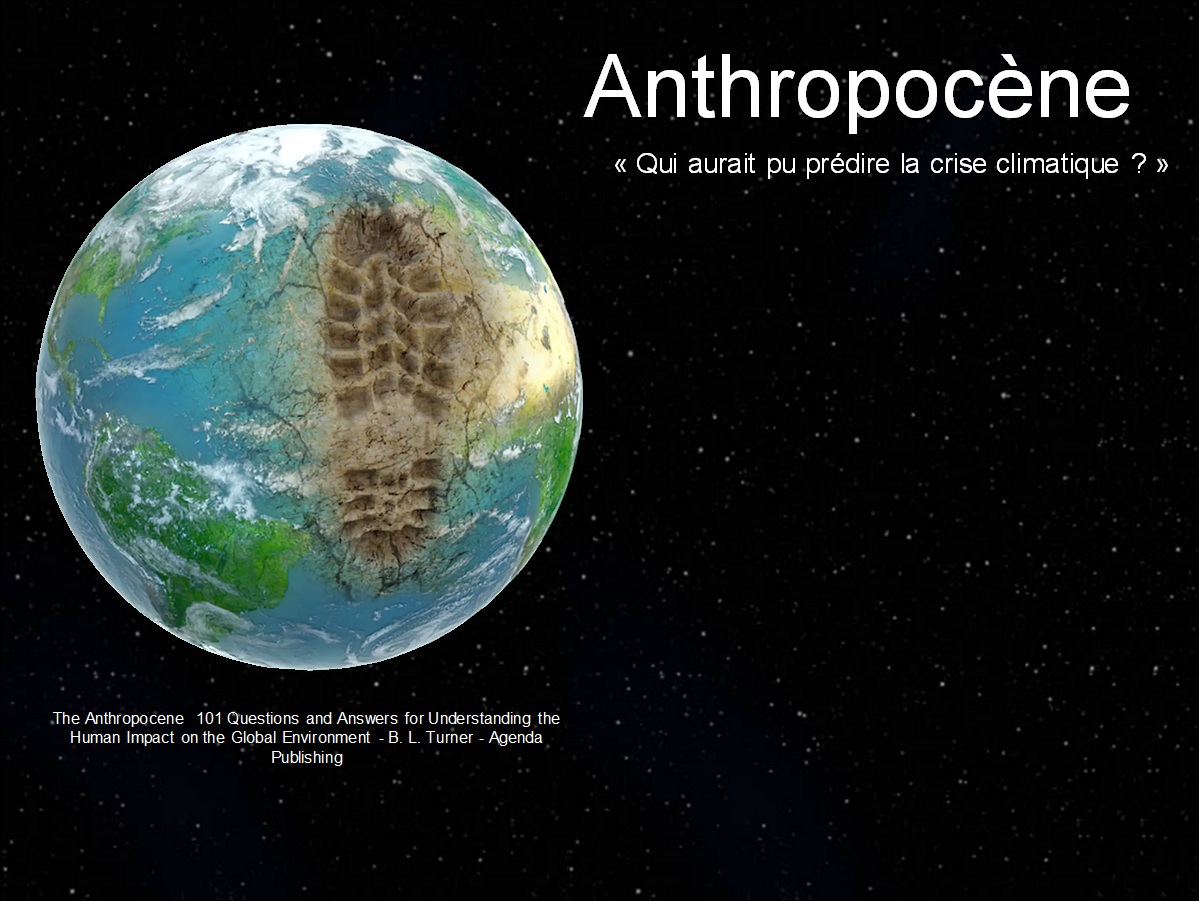
Suite à ce travail, j’ai pu proposer dès septembre 2024 pour la Licence Sciences de la Mer un cours magistral de 10h intitulé « Anthropocène » comprenant 6 parties. Une partie introductive qui interroge les mots utilisés dans la NCP, en particulier les mots « Anthropocène, transition et développement durable. Une deuxième partie sur le contexte de l’altération climatique. Une troisième partie sur l’énergie, l’exploitation des ressources minérales et la notion de limites planétaires. Une quatrième partie sur la biodiversité et la perturbation anthropique. Une cinquième partie sur les puits de carbone océaniques et la géo-ingénierie climatique marine. Une sixième partie intitulée : « Le monde dans lequel nous vivons vs les solutions ! »

